

Last Updated: November 14, 2026
Quick Summary
To buy furniture online safely, measure your space and check doorway and stairway clearance before ordering, then verify the seller's legal name, physical address, and off-site reviews. Pay by credit card or a protected platform, read the delivery and return policy first, and photograph the box and unboxing to document any damage.
- The 2/3 rule says a sofa should fill about two-thirds of the wall or rug behind it.
- Leave at least 4 inches between furniture and the nearest wall or doorway.
- Compare the same item across at least three sellers and add shipping and assembly fees.
- Read the 1-star and 3-star reviews first to see real flaws.
- The reporting clock for damage usually starts at delivery, not unboxing.
Table of Contents
- Step 1: Define Your Needs and Measure Before You Buy Furniture Online
- Step 2: How to Check if an Online Furniture Store Is Legitimate
- Step 3: How to Evaluate Furniture Quality Online
- Step 4: Your Online Furniture Shopping Checklist for Price and Reviews
- Step 5: Read the Furniture Delivery and Return Policy First
- Shop Gamasthings.com With Confidence
- Frequently Asked Questions
Step 1: Define Your Needs and Measure Before You Buy Furniture Online
Most people who buy furniture online and regret it fell for a photo before checking a tape measure. Most furniture buyers who end up with a poor fit skip one simple step: measure first.
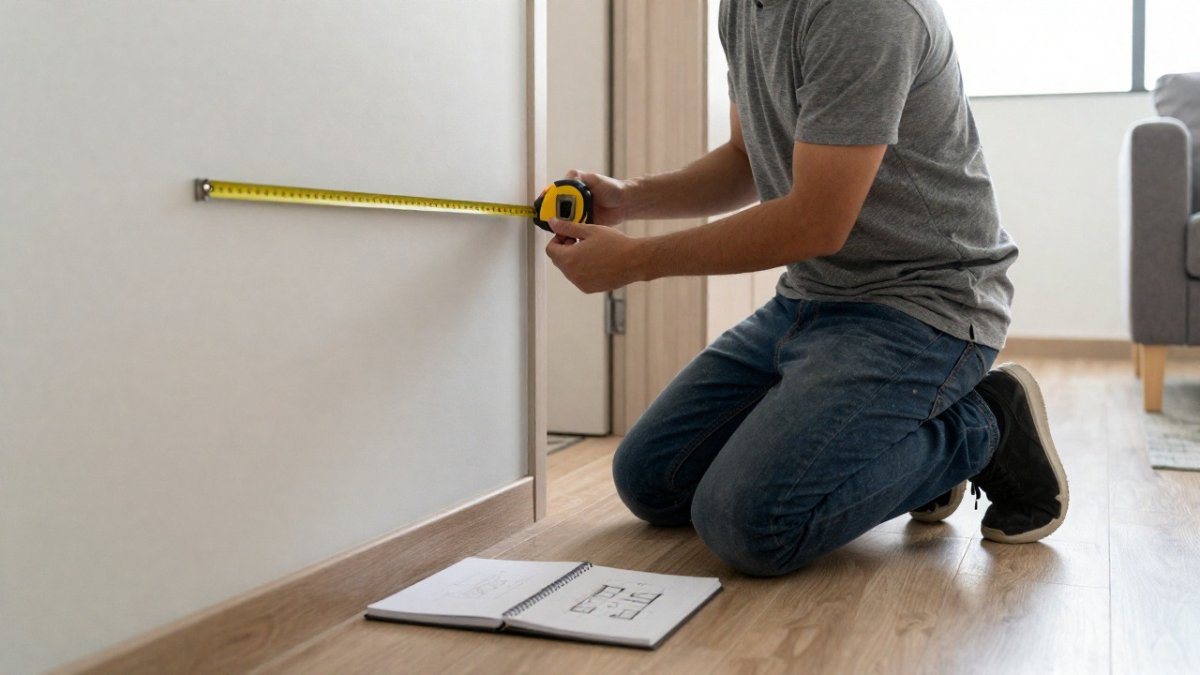
Online furniture shopping starts with a list, not a browser tab. Write down what the piece must do, where it goes, and your maximum price. Then measure the space twice.
Room Measurements and the 2/3 and 4-Inch Rules
The 2/3 rule says a sofa should take up about two-thirds of the wall or rug it sits against. Any wider and the room feels cramped. Any narrower and it looks lost.
The 4-inch rule covers walkways: leave at least 4 inches between a piece and the nearest wall or doorway.
Jot down length, height, and outlet positions for every wall, then check the listing's dimensions against them.
Doorway, Hallway, and Stairway Clearance
Measure these before you order:
- Doorway width and height (with the door open)
- Hallway width at its narrowest point
- Stairway width, plus any tight turn or low ceiling
Compare those numbers to the furniture's boxed dimensions, not just the finished size, packaging adds bulk.
Step 2: How to Check if an Online Furniture Store Is Legitimate
A store is legitimate when you can verify who runs it, where it ships from, and how it handles problems before you pay. Furniture is a high-ticket, hard-to-return purchase, a favorite target for fake storefronts.
Verify the Seller's Identity and Physical Presence
Start with the paper trail, not the homepage:
- Legal entity name: Find the registered company name in the footer, Terms of Service, or About page, then search it on your state's business registry or your country's company register.
- Physical address: A mappable street address, cross-checked against the return policy and contact page, scam sites often list mismatched addresses.
- Contact reachability: Call and email before ordering. A reply within one business day is a good sign.
Watch out: a brand-new domain with a name one or two letters off a known retailer, stock photos instead of a real team, and prices far below every competitor is the classic fake-storefront pattern.
Recognize Suspicious Listings and Pressure Tactics
Fake or compromised listings share recognizable tells. A common one is a product photo appearing on multiple unrelated sites, often with a different brand name. Reverse-image search the main photo to see where else it appears.
- Countdown timers and "only 2 left" banners that reset when you reload the page
- Prices dramatically below market for a named brand
- No model number, SKU, or manufacturer part number anywhere on the listing
Watch out: any request to move the transaction off the marketplace or to a payment method with no buyer protection is the single most reliable scam signal.
Use Protected Payment Methods
Payment method is your real safety net. Choose methods with chargeback or dispute rights:
- Credit cards: The strongest protection for most buyers. Under the Fair Credit Billing Act, you generally have the right to dispute billing errors and unauthorized charges. Pay with credit, not debit, when possible.
- Recognized payment platforms: PayPal and major card networks offer buyer protection with defined dispute windows.
- Marketplace escrow: If you buy through a large marketplace, keep the transaction inside its checkout so its buyer-protection policy applies.
Avoid bank transfers, wire transfers, gift cards, and cryptocurrency for furniture purchases. These are effectively cash: once sent, recovery is difficult or impossible.
Check the Checkout Page Itself
Before you enter card details, confirm the page is secure:
- The URL begins with https:// and shows a padlock, though a padlock only means the connection is encrypted, not that the seller is honest.
- The payment form is embedded on the seller's own domain, not a redirect to an unrelated site.
- The checkout asks only for information needed to process the order. Be cautious if it requests your Social Security number, bank login credentials, or a photo of your ID.
You can read more about who we are and how we vet suppliers, and check our frequently asked questions on shipping and order emails before you commit to anything.
Step 3: How to Evaluate Furniture Quality Online
Quality online comes down to three readable clues: the material list, the construction details, and the warranty. A listing that hides any of them is telling you something.
Materials, Construction, and Expected Lifespan
Start with the frame: solid wood or kiln-dried hardwood outlasts particleboard, which swells when wet.
For upholstery, ask what the fabric is and request a swatch. Screens shift color, so a photo is never a color match.
A peer-reviewed study of online furniture purchase behavior found price was the most influential product factor for online furniture buyers.
Step 4: Your Online Furniture Shopping Checklist for Price and Reviews
Price is the top reason people pick a furniture retailer. Resonate's 2026 furniture-shopping trends report that 74% of furniture buyers choose stores based on who has the best prices and sales.
Run this checklist before you hit buy:
- Compare the same item across at least three sellers
- Add shipping, delivery, and assembly fees to get the real total
- Read the 1-star and 3-star reviews first
If you're working to a tight budget, our guide to home goods that last on a tight budget pairs well with this list.
| Check | What to Look For | Why It Matters |
|---|---|---|
| Total cost | Item + shipping + assembly | Avoids surprise fees |
| Reviews | 3-star and 1-star detail | Shows real flaws |
| Return window | Days allowed, who pays | Protects your money |
| Seller history | Off-site reviews | Confirms legitimacy |
Step 5: Read the Furniture Delivery and Return Policy First
The delivery and return policy is where most online furniture purchases succeed or fail. Read it before you pay, not after the box arrives damaged.
Read the Fine Print Before You Pay
Look for five things in the policy, and write down the answers:
- Delivery window: A date range, not "ships soon." Note whether it is business or calendar days.
- Delivery type: Curbside, threshold, room-of-choice, or white-glove with assembly, each has a different cost and damage risk.
- Who handles assembly and packaging removal: Confirm whether assembly is included or an add-on, and whether the carrier takes the boxes away.
Also confirm the total landed cost before checkout: item price plus delivery, assembly, stairs or room-of-choice fees, disposal of old furniture, taxes, and return shipping.
Document the Delivery: A Step-by-Step Plan
Do this in order, every time:
- Photograph the box before you touch it. Capture all sides, the shipping label, and any dents, tears, or water marks, plus a wide shot in your doorway for context.
- Film the unboxing. A continuous video from sealed box to assembled piece is the strongest evidence if a claim is disputed. Narrate what you see.
- Inspect before you discard packaging. Check seams, corners, hardware bags, and the underside. Keep all packaging until you've confirmed the item is complete and undamaged, most carriers require original packaging for returns.
- Photograph any damage close-up and in context. A close shot of the crack plus a wider shot showing where it sits.
- Note missing items against the packing list. Count hardware, legs, shelves, and manuals before assembly, and photograph the packing list next to what arrived.
- Report in writing within the deadline. Use email or the seller's support portal for a timestamp. State the order number, describe the problem, and attach your photos and video.
Watch out: the reporting clock usually starts at delivery, not when you open the box. Wait a week to unbox and you may already be outside the window.
Escalate an Unresolved Claim
If the seller does not resolve the issue, escalate in this order:
- Seller support, in writing: Ask for a resolution in writing and keep the thread. Reference the policy language you relied on at purchase.
- Payment provider dispute: If you paid by credit card, you generally have the right to dispute billing errors and undelivered or not-as-described goods under the Fair Credit Billing Act. Contact your card issuer and provide your documentation. Payment platforms like PayPal have their own dispute processes with defined windows.
- Carrier claim: For shipping damage, the carrier may handle the claim. Ask the seller who files it, often the shipper, not the buyer, and get the claim number.
A 2026 ConsumerAffairs furniture buying survey found 43% of Americans shopped for furnishings online. With that many buyers, disputes are common, and documentation wins them.
If tracking or delivery timing is unclear, get answers on tracking numbers and delivery timelines before you order. Then order with confidence.
Shop Gamasthings.com With Confidence
Buying furniture online safely comes down to a few habits: measure, verify the seller, read the fine print, and document everything.
At www.Gamasthings.com, we built our store around that idea. Ready to put these steps into practice? Browse our home decor collection and shop with the checklist in hand.
The safest online furniture purchase starts before you add to cart.
Frequently Asked Questions
What should I check before buying furniture online?
Check four things before you order: your room and doorway measurements, the seller's business details and reviews, the product's material and dimensions, and the delivery and return policy. Measuring first prevents the most common problem, furniture that will not fit through the door. Confirming the seller has a real contact address and a track record protects your payment. Reading the return window and who pays return shipping tells you what happens if the item arrives damaged.
How can I tell if an online furniture seller is trustworthy?
Look for a full business address and phone number, a secure checkout with an https address, and a written privacy policy. Search the store name alongside the word 'review' and read complaints as well as praise. Check whether reviews appear on independent sites, not just the seller's own page. A legitimate store answers questions before you buy and puts its return and warranty terms in writing. If a seller only accepts bank transfers or gift cards, treat that as a warning sign.
How do I check furniture quality when I can't see it in person?
Read the product specifications for frame material, joint type, and upholstery composition rather than relying on photos. Zoom in on listing images to inspect seams, edges, and finish. Ask the seller for fabric samples or extra photos of corners and undersides. Check the stated weight capacity and warranty length, since both signal how durable the maker expects the item to be. Customer reviews that mention how the piece holds up after months of use are more useful than star ratings alone.
What should I look for in an online furniture return policy?
Find the return window, who pays return shipping, and whether the item must be in original packaging. Check whether assembled furniture can still be returned and whether there is a restocking fee. For delivery damage, note the deadline for reporting it, often 48 to 72 hours, and photograph the packaging before opening. A clear furniture delivery and return policy names these terms in writing, so save a copy of the page when you order.
